Oven Control Board Failure in Naperville can lead to inaccurate temperatures, error codes, unresponsive controls, and unexpected oven shutdowns. Understanding the warning signs, repair costs, and proper diagnosis can help homeowners avoid unnecessary replacements and restore their oven quickly.
An oven control board failure typically shows up as erratic temperature control, unresponsive buttons, a blank or flickering display, repeated error codes, or in more serious cases an oven that won’t shut off even when you press the off button. Replacing the board usually costs between 150 and 600 dollars including parts and labor, depending on the brand and whether the part is still in production, and repair is almost always the better financial choice over replacing the whole oven as long as the unit is under about 10 years old and the board is actually available.
Here’s how to recognize the difference between a genuine control board failure and something simpler, what actually drives the cost up or down, and the one symptom on this list that means you should stop using the oven immediately rather than schedule a routine repair.
What the Control Board Actually Does
The control board is often described as the oven’s brain, and that’s a fair description. It takes input from the keypad or dial, reads data from the temperature sensor, and decides when to send power to the bake and broil elements or, on a gas oven, to the igniter and safety valve. It also manages the clock, timer, self clean cycle, and door lock, and on most modern ovens it runs a network of relays and capacitors that wear down gradually with every heating cycle the appliance goes through.
Because the board sits at the center of nearly every function, a failure here can look like almost anything, which is exactly why it gets misdiagnosed so often. Plenty of oven problems that look like a board issue actually trace back to something simpler, like a tripped breaker, a blown thermal fuse, or a single bad wire connection, so ruling those out first can save you from paying for a part you didn’t need.
Common Symptoms of Control Board Failure
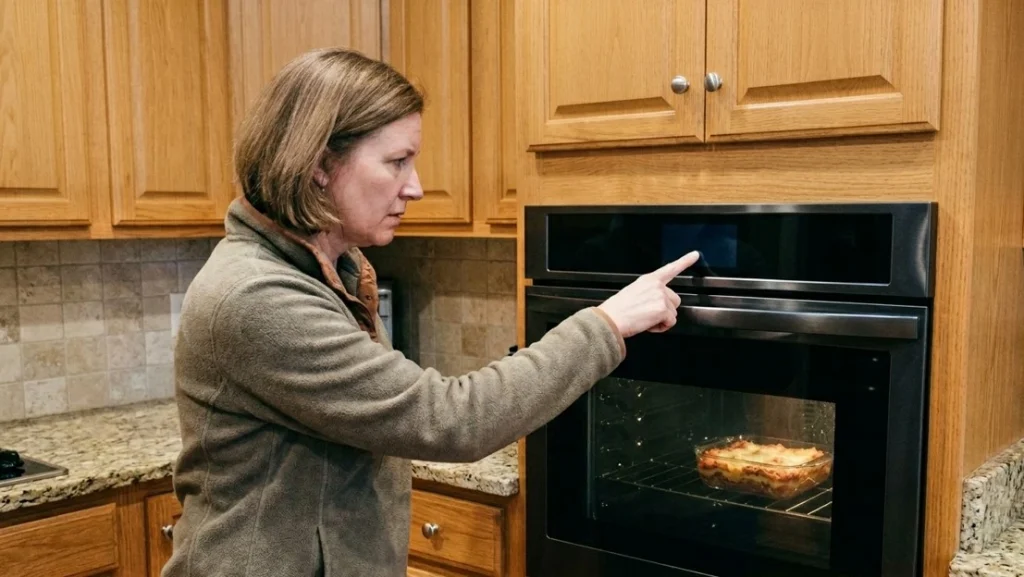
A few patterns show up consistently across brands. Erratic or inaccurate temperature control, where the oven overshoots, undershoots, or swings between hot and cold during a single bake cycle, is one of the most frequent signs, especially when the temperature sensor itself has already tested fine. An unresponsive touchpad or set of buttons, where pressing a function does nothing or triggers the wrong response, points strongly toward the board rather than the keypad itself in most cases. A blank, dim, or flickering display, particularly one that doesn’t respond to a full power cycle, is another common indicator. Persistent or recurring error codes, especially ones your owner’s manual specifically ties to board or communication failure, are usually the most direct diagnostic clue available, and it’s worth checking your manual’s code list before assuming anything.

The most serious symptom on this list is an oven that won’t shut off using the normal controls, sometimes continuing to heat well past its set temperature even after you’ve pressed off. This is a genuine fire and burn risk rather than a routine inconvenience, and it’s the one scenario on this list where you should cut power at the circuit breaker immediately and avoid using the oven again until it’s been inspected.
What Actually Causes Control Boards to Fail
Age related wear is the most common cause, since the small electronic components inside a board, particularly relays and capacitors, degrade after years of heat exposure and repeated switching. Heat itself is a major contributing factor, and running the self clean cycle on an older oven is a frequently overlooked cause of premature board failure, since that cycle pushes interior temperatures high enough to stress nearby electronics, particularly on ovens that are already past the middle of their expected lifespan. Power surges from lightning strikes, grid fluctuations, or household wiring issues can damage sensitive circuitry instantly, and moisture from steam, spills, or a leaking door seal can corrode board contacts over time as well.
Diagnosing the Problem Before Assuming It’s the Board
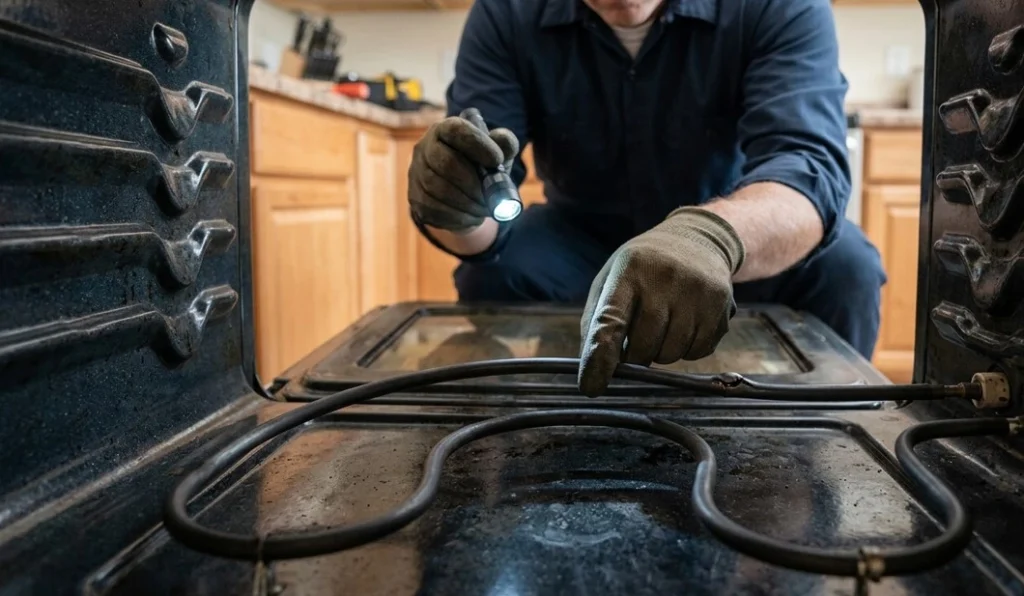
A methodical check before ordering a new board can save both time and money. Start with any error code the display is showing and cross reference it against your specific model’s manual, since codes referencing communication failure or a specific board related fault are the clearest signal. Confirm the oven is actually receiving correct voltage rather than dealing with a tripped breaker or blown fuse, since a missing voltage reading is frequently mistaken for a dead board when the real issue is upstream. A visual inspection of the board itself, once safely removed with power disconnected, can also reveal burnt traces, cracked solder joints, or bulging capacitors, all of which are fairly clear visual confirmation that the board needs replacing rather than something else being at fault.
It’s also worth checking for an active recall before paying for any repair. The Consumer Product Safety Commission maintains an ongoing list of appliance recalls, and several major manufacturers, including GE, LG, and Electrolux, have issued range and oven recalls tied to control panel and control board related fire or burn hazards in recent years. A quick search using your model and serial number takes a few minutes and can mean a free manufacturer repair instead of an out of pocket one.
What Replacement Actually Costs
Control board replacement typically runs 150 to 600 dollars including labor for most mainstream brands, with the part itself generally priced between 120 and 350 dollars depending on the oven’s age and how available the part still is. High end or professional grade ranges tend to sit at the upper end of that range or above it, and boards for discontinued models can cost significantly more if the only remaining supply comes through secondhand or refurbished sources. Manufacturers typically keep parts in stock for roughly 10 to 15 years after a model is discontinued, so an older oven approaching or past that window may face longer waits or higher part costs than a more recent model.
Repair or Replace: How to Decide
A reasonable rule many technicians use is to compare the total repair cost to about half the price of a comparable new oven, and to weigh that alongside the unit’s age. An oven under 10 years old with a repair cost under a few hundred dollars is almost always worth fixing. An oven past 15 years, or one where the board failure is happening alongside other wear like a failing door seal or an aging heating element, is a stronger case for full replacement, particularly if parts for that specific model are becoming harder to source.
One factor worth weighing that’s easy to overlook is root cause. If a board failed because of a power surge or a self clean cycle pushed past its limits on an older unit, simply swapping in a new board without addressing that underlying cause increases the odds of a repeat failure. A technician who identifies why the board failed, not just that it failed, is giving you a more durable fix.
Getting an Accurate Diagnosis in Naperville
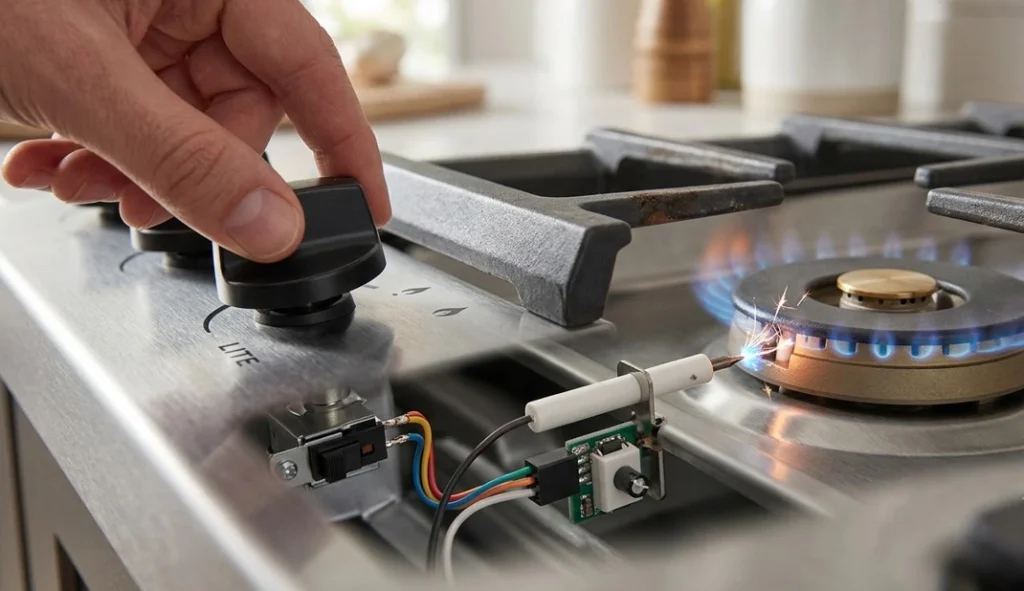
Because control board symptoms overlap with several other oven problems, from a bad temperature sensor to a simple wiring issue, a proper diagnosis with a multimeter is worth the cost of a service call before committing to a new part. If your oven is showing erratic temperatures, unresponsive controls, or a persistent error code, our technicians at Naperville Appliance Fix can confirm whether the control board is actually the cause and give you an accurate repair estimate before any work begins. You can see more about how we handle both gas and electric oven repairs, including control boards, sensors, and igniters, on our oven repair page.
Frequently Asked Questions
What are the clearest signs of a failing oven control board? Erratic or inaccurate temperature control, unresponsive buttons, a blank or flickering display, and persistent error codes referencing board or communication failure are the most common and reliable indicators.
How much does it cost to replace an oven control board? Most replacements cost between 150 and 600 dollars including parts and labor, with the part itself generally running 120 to 350 dollars. High end brands and discontinued models can run higher due to limited part availability.
Is it dangerous to keep using an oven if the control board is failing? It depends on the symptom. An oven that simply won’t heat is inconvenient but not unsafe. An oven that won’t shut off through normal controls, or that continues heating well past its set temperature, is a genuine fire and burn risk and should be disconnected at the breaker immediately.
Should I repair the control board or just buy a new oven? If the oven is under about 10 years old and the repair cost is reasonable relative to a new unit, repair is almost always the better financial decision. Ovens well past 15 years old, especially with other components also showing wear, are a stronger case for replacement.
Can something else cause the same symptoms as a control board failure? Yes. A tripped breaker, a blown thermal fuse, a bad temperature sensor, or a loose wiring connection can all mimic control board symptoms. A proper diagnosis with a multimeter is the only reliable way to confirm the board itself is at fault before paying for the part.
Sources referenced: the CPSC’s recall search page for checking active range and oven recalls by brand and model, and the CPSC’s Fire Safety Information Center for broader range and oven safety guidance.
If you need Appliance Repair in Sunrise, FL Same Day Service You Can Trust, our experienced technicians provide fast, reliable repairs for all major appliance brands with upfront pricing and dependable workmanship to get your home back to normal.