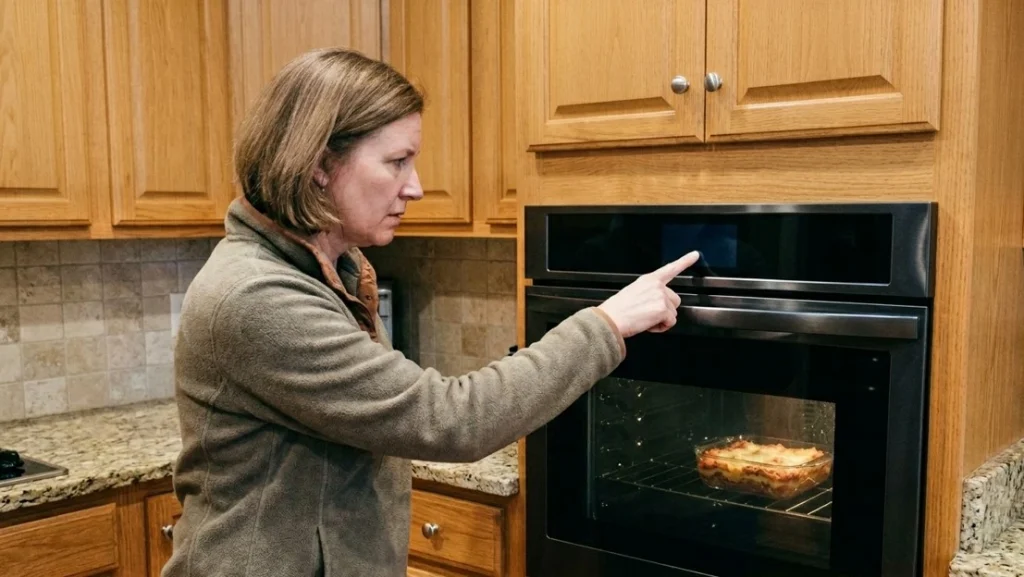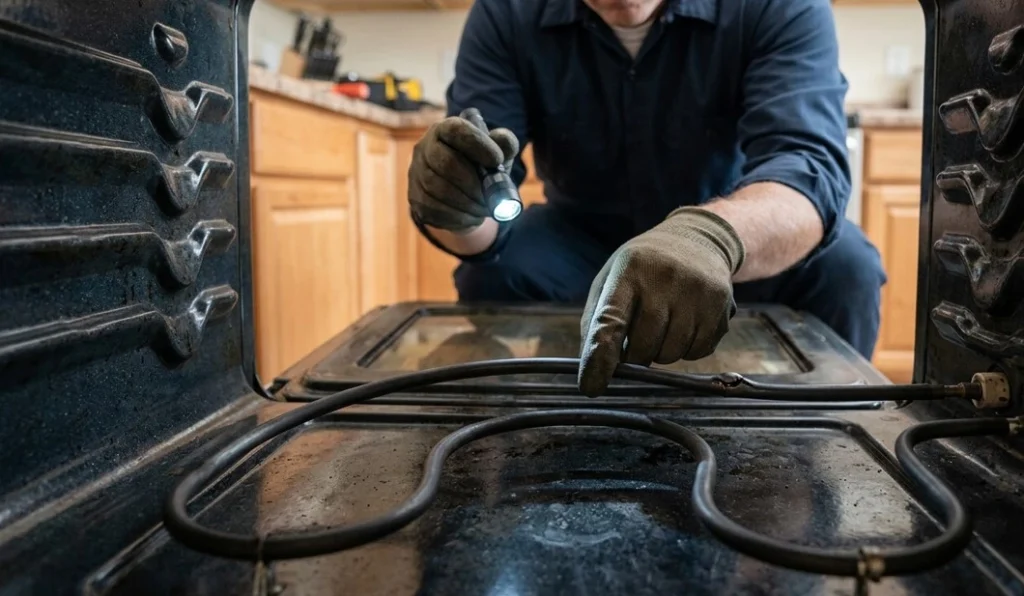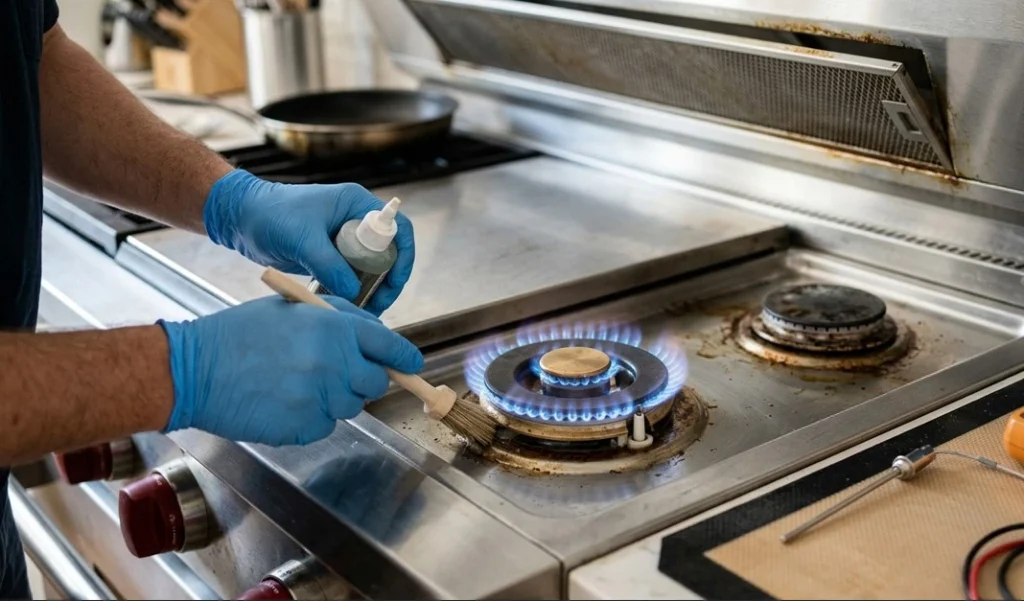
Why Does My Gas Stove Click Constantly In Naperville is a common question among homeowners dealing with continuous burner clicking, ignition problems, or spark module issues. Learn the most common causes, easy troubleshooting steps, and when professional gas stove repair is the safest solution.
A gas stove that clicks nonstop, whether the burner is on, off, or already lit, is almost always caused by moisture trapped in the ignition switch, food debris blocking the burner or igniter, or a failing spark module sending continuous voltage even when it shouldn’t. The good news is that the two most common causes, moisture and debris, are fixable in a few minutes without calling anyone, while a failing spark module or ignition switch is a straightforward, affordable repair once cleaning doesn’t solve it.
Here’s how to work through the actual cause step by step, along with the point where this stops being a do it yourself fix and starts being a safety and repair job for a professional.
How Gas Stove Ignition Is Supposed to Work
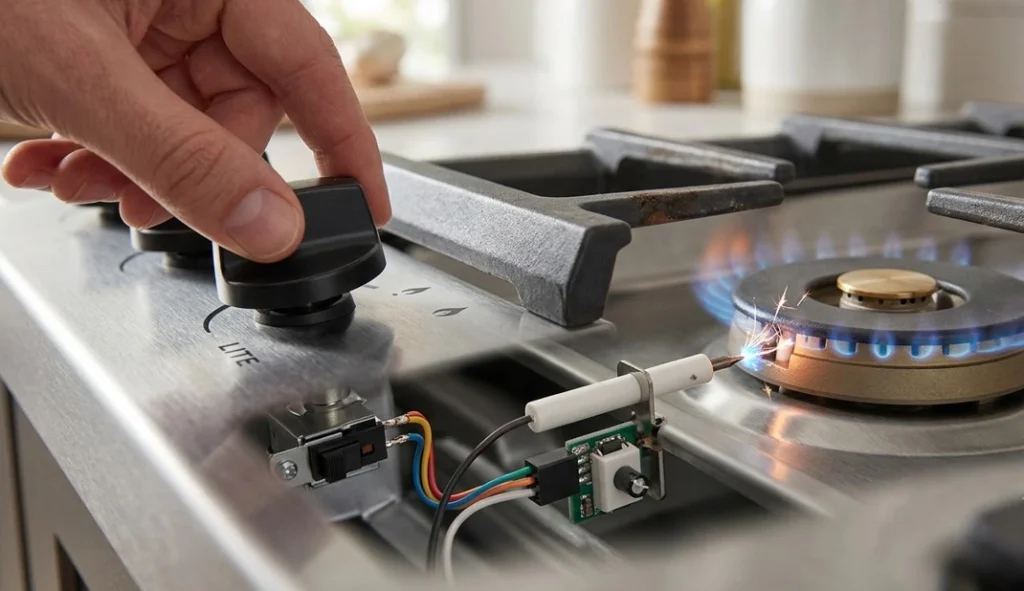
Every time you turn a burner knob to the light position, an ignition switch beneath that knob sends power to a spark module, which then delivers a rapid electrical pulse to the ceramic igniter next to the burner. That’s the clicking sound you normally hear, and it’s supposed to stop within a second or two once the burner catches and the flame is steady. On some ranges, the igniters for every burner click together briefly whenever any single burner is turned on, which is normal behavior, not a malfunction.
Persistent clicking means one part of that sequence isn’t shutting off properly, either because the switch is stuck sending a signal, the module is malfunctioning, or the spark simply isn’t successfully lighting the gas so the system keeps trying.
The Most Common Cause: Moisture in the Ignition Switch
If your stove started clicking constantly right after you cleaned the cooktop, or during a period of high humidity, moisture is the most likely explanation. Water or cleaning liquid that gets into the ignition switch beneath a burner knob can bridge the electrical contacts inside, effectively holding the switch in the closed position and sending continuous voltage to the spark module even though the knob itself is off.
The fix here is simple patience rather than repair. Unplug the stove or shut off power at the breaker, then let the switches dry out completely, which can take anywhere from a few hours to a full day depending on how much moisture got in. A fan or hair dryer on a cool setting can speed this along. Resist the urge to plug the stove back in and test it every twenty minutes, since reconnecting power to a still damp switch can cause a short and potentially damage the module itself.
The Second Most Common Cause: Dirty or Misaligned Burner Components
If moisture isn’t the issue, food debris and grease are the next most likely culprit, and this is just as easy to check yourself. Grease, sauce splatter, and crumbs can accumulate on the burner cap, around the igniter tip, or inside the burner ports, which either blocks gas flow so the spark keeps trying without success, or physically interferes with the igniter itself.
A misaligned burner cap is a particularly common and often overlooked cause. If the cap isn’t seated evenly and squarely over the burner head, often after being bumped by a pot or replaced slightly off center during cleaning, it can rest against the igniter and trigger nonstop clicking even with everything else working fine.
To check for this, turn off all burners and let the stovetop cool completely. Remove the grates and burner caps, then wipe down the burner heads and igniter tips with a cloth dampened in a mix of water and mild dish soap or diluted vinegar. A cotton swab dipped in rubbing alcohol works well for cleaning the ceramic igniter tip specifically, since it’s fragile and shouldn’t be scraped with anything abrasive. Use a straightened paperclip to clear any visible debris from the burner ports, then dry everything thoroughly before reassembling and making sure each burner cap sits centered and level.
When the Problem Is the Spark Module or Ignition Switch Itself
If you’ve confirmed the switches are completely dry and the burners and igniters are clean, but the clicking continues, the issue has likely moved from a maintenance problem to a component failure. This usually points to one of two parts. A failed ignition switch can get stuck sending voltage regardless of the knob’s position, which a technician can confirm with a multimeter test for continuity. A failing spark module, which is the small electronic box that distributes power to the igniters, can also send a continuous signal even when no burner is calling for it, and on many ranges a single spark module controls several burners at once, which is why clicking sometimes affects more than one burner even though only one knob was turned.
Neither part is particularly expensive to replace, and a technician can usually identify which one is at fault during a single diagnostic visit rather than replacing parts by trial and error.
When to Stop Troubleshooting and Call a Professional
A stove that clicks constantly isn’t dangerous by itself, but a few signs mean it’s time to stop testing things yourself. If you ever smell gas along with the clicking, or notice a burner igniting inconsistently with a weak or sputtering flame, shut off the gas supply to the stove and don’t attempt further troubleshooting. Nicor Gas, which serves much of the Naperville area, advises leaving the building immediately and calling from a safe location if you suspect a gas leak, rather than trying to locate or fix the source yourself.
It’s also worth being cautious with any repair involving the spark module or ignition switches themselves, since these components sit inside the stove’s electrical wiring. If cleaning and drying haven’t resolved the clicking after a full day, that’s a reasonable point to call in a technician rather than opening up the stove’s internal wiring without the right tools or testing equipment.
Preventing This From Happening Again
A little routine maintenance goes a long way toward keeping this from becoming a recurring problem. Wiping up spills as they happen rather than letting them bake onto the burner cap, doing a weekly wipe down of the stovetop surface, and giving the burner ports a deeper monthly cleaning with a pin or paperclip all reduce the buildup that leads to clicking. When cleaning the cooktop, always make sure the burner knobs and switches are fully dry before turning the stove back on, and double check that each burner cap is sitting flat and centered before you’re done.
If your gas stove keeps clicking after you’ve tried drying and cleaning it, or if you’d rather have a technician confirm the cause than keep testing it yourself, our team at Naperville Appliance Fix can diagnose whether it’s the switch, the spark module, or something else, and give you a clear estimate before starting any repair. You can see more on how we handle gas range and stove issues, including igniters, burners, and control components, on our oven and range repair page.
Frequently Asked Questions
Why does my gas stove keep clicking even when all the burners are off? This is almost always caused by moisture in one of the ignition switches, which can short the electrical contacts and send continuous voltage to the spark module regardless of the knob’s position. Unplugging the stove and letting it dry fully typically resolves it.
Is it dangerous for a gas stove to click constantly? By itself, constant clicking is a nuisance rather than an immediate danger. However, if you ever smell gas along with the clicking, treat it as an emergency, shut off the gas supply, and leave the area before calling for help.
Can I fix a clicking gas stove myself? Often, yes. Cleaning the burner caps, ports, and igniter tips, and making sure ignition switches are completely dry, resolves the majority of clicking issues without needing a repair. If clicking continues after cleaning and drying, the ignition switch or spark module likely needs professional replacement.
Why do all my stove’s burners click when I only turn one knob? On many gas ranges, a single spark module controls the igniters for multiple burners. It’s normal for all igniters to click briefly when any one burner is turned on. If they all continue clicking well after that burner is lit and stable, the module itself may be malfunctioning.
How much does it cost to replace a spark module or ignition switch? Costs vary by brand and model, but these are generally among the more affordable stove repairs. A technician can typically confirm which component has failed and provide an accurate quote during a single diagnostic visit.
Sources referenced: Nicor Gas’s emergency and gas safety information for guidance on suspected gas leaks in the Naperville service area, and the CPSC’s carbon monoxide safety guidance for recognizing combustion related hazards in the home.
If you need Appliance Repair Klamath Falls | Certified and Reliable Service, trust our experienced technicians for fast, professional repairs on all major appliance brands with upfront pricing and dependable workmanship.