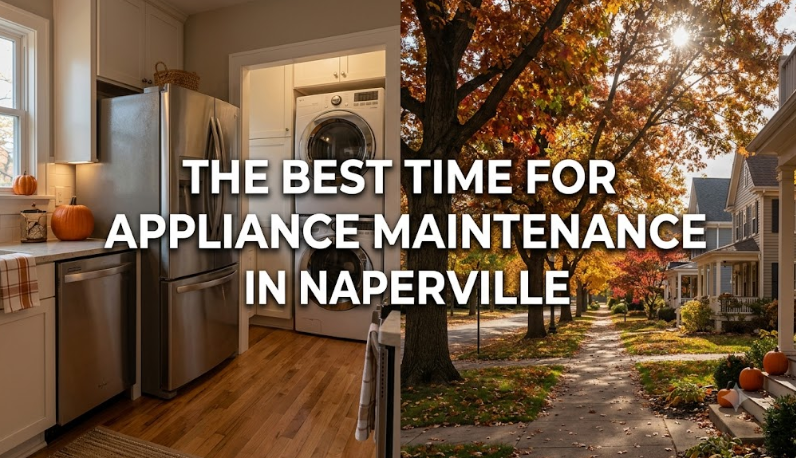
Most Naperville homeowners only think about appliance maintenance after something breaks. A washer stops draining the night before laundry day. The oven quits working two days before Thanksgiving. The refrigerator starts making noise in the middle of July. By that point, you’re not doing maintenance — you’re doing damage control.
The smarter approach is scheduling maintenance before the problem arrives. And in Naperville, where Illinois winters are brutal, summers push cooling appliances hard, and the city’s hard water quietly attacks machines year-round, timing your maintenance around the seasons makes a real difference in how long your appliances last and how much you spend keeping them running.
Here’s exactly when to do what — broken down by season, by appliance, and by what actually matters for Naperville households specifically.
Why Timing Appliance Maintenance Around Seasons Makes Sense
Every season in Naperville places different demands on different appliances. Your refrigerator works harder in July. Your oven gets more use in November and December. Your dryer runs more in winter when outdoor drying isn’t an option. Your washing machine takes the most stress in summer when kids are home and activity levels are higher.
Spring and fall sit between heavy-use months, making them ideal for cleaning, checking parts, and fixing small issues early — before those appliances enter their peak demand periods. Appliancemarketingpros
Schedule maintenance when appliances are coming off a heavy-use period or about to enter one. That window is when you catch wear before it becomes failure.
Spring: March to May — Reset Everything After a Hard Illinois Winter
Spring is the single most important maintenance window for Naperville homeowners. Your appliances just spent four to five months dealing with cold temperatures, holiday meal loads, and increased indoor use. Now is the time to assess the damage and prepare for summer.
Refrigerator
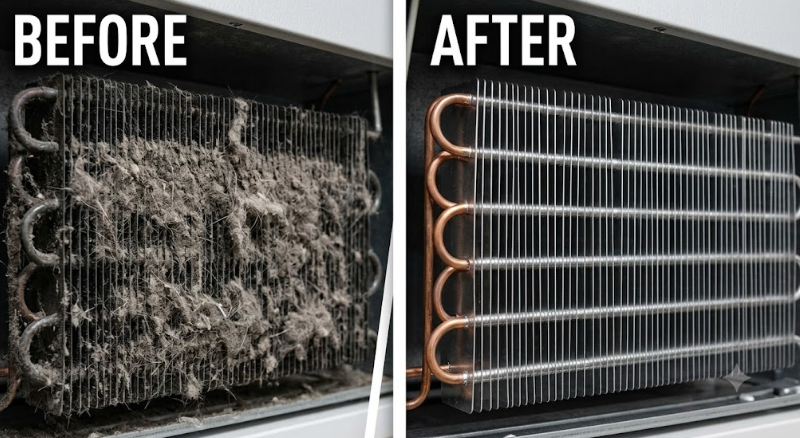
Clean the condenser coils. In most refrigerators, these sit underneath the unit or along the back, and they collect dust, pet hair, and debris over winter. Clogged coils force the compressor to work harder — which means higher energy consumption heading into summer when the fridge is already working against warm ambient temperatures. Most manufacturers recommend cleaning refrigerator coils at least twice a year, with spring and fall being the ideal times.
While you’re at it, check the door gasket. Run the dollar bill test — close the door on a folded bill and try to pull it out. If it slides out easily, the seal is failing and cold air is leaking out every hour of every day.
Washing Machine
Winter means more layers, more blankets, and heavier loads. Check the inlet hose screens at the back of the machine for mineral buildup — Naperville’s hard water accelerates this blockage faster than most homeowners expect. Run a cleaning cycle with a washing machine cleaner tablet to clear any soap scum and mineral residue that built up over the winter months. If you’ve been noticing longer fill times or sluggish draining, spring is the time to get that diagnosed before summer’s laundry load picks up.
Dryer Vent
This is arguably the most important spring task for safety, not just performance. Lint accumulates in the vent pipe and exterior exhaust flap beyond just the lint trap, and buildup there is a direct fire hazard. Disconnect the dryer, remove the vent hose, vacuum both ends, and check that the exterior flap opens freely and is clear of obstruction. In Naperville, where dryers run heavily through a long winter, spring cleaning of the full vent system — not just the trap — is a genuine safety necessity. FeedSpot
Dishwasher
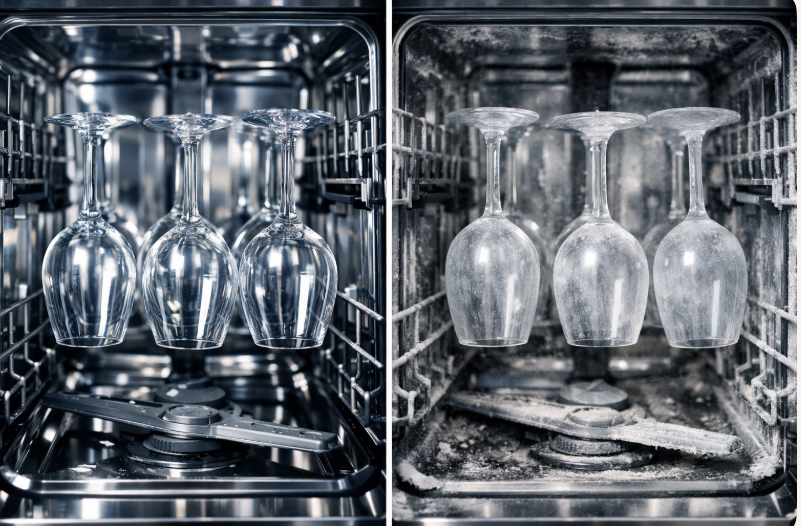
Pull and clean the filter. For most Naperville homeowners this hasn’t been done since the dishwasher was installed. Rinse it under hot water and soak it in white vinegar for 20 minutes. Check the spray arms for clogged holes — hard water deposits are the usual culprit. Run a hot cycle with white vinegar on the top rack to descale the interior and heating element. If you want to understand more about what Naperville’s water is specifically doing to your dishwasher, our guide on how Naperville’s hard water damages your dishwasher and washing machine covers the full picture.
Summer: June to August — Keep Cooling Appliances Healthy in the Heat
Summer in Naperville means heat, humidity, and a refrigerator that never gets a break. The focus this season shifts to anything that cools, plus laundry appliances that take more volume from an active household.
Refrigerator — Mid-Summer Check
A refrigerator running in a warm kitchen during a Naperville July is operating under real stress. If you cleaned the condenser coils in spring, do a quick visual check mid-summer to make sure dust hasn’t already started re-accumulating. Check the temperature settings — the fridge should hold 37°F and the freezer 0°F. A refrigerator running even a few degrees warmer than it should is working harder than necessary and wearing components faster.
If your fridge has an ice maker or water dispenser, summer is when these see the heaviest use — and when they’re most likely to reveal problems. Slow ice production or off-tasting water are early warnings worth addressing before the unit actually fails. Our refrigerator repair covers the most common ice maker and cooling problems by brand.
Washing Machine — Hose Inspection
Summer’s laundry volume means the washing machine runs more cycles than any other season. Take five minutes to inspect the water supply hoses at the back. Look for bulging, cracking, or any sign of moisture near the connections. A small hose leak can release hundreds of gallons of water in an hour, causing significant and expensive property damage. Rubber hoses older than five years should be replaced proactively regardless of how they look.
Oven and Range — Light Cleaning Before Fall Heavy Use
Most people don’t use the oven as much in summer, which makes it the right time for a thorough cleaning before fall cooking season begins in earnest. Remove the racks, clean the interior, and check that the burners or heating elements are functioning correctly. A problem discovered in August is far less painful than one discovered the Wednesday before Thanksgiving.
Fall: September to November — The Most Critical Maintenance Window
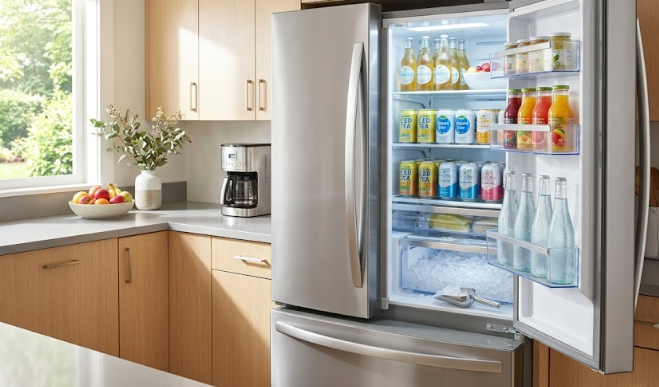
Early fall is the single best time to schedule professional appliance maintenance. It ensures your appliances are in top shape before the increased usage that comes with the holiday season — whether it’s your oven, refrigerator, or dishwasher.
In Naperville, fall carries additional importance because it’s also the last comfortable window before Illinois winter sets in. Once temperatures drop, appliance technicians get busier, scheduling gets harder, and any unresolved issues become emergency repairs.
Oven and Range — Full Inspection Before Holiday Cooking
Your oven is about to face its heaviest use of the year. Thanksgiving, holiday parties, winter baking — the oven that sat underutilized in July is suddenly running daily from November through December. Fall is the time to verify that heating elements are working, temperature calibration is accurate, and control boards are functioning correctly. An oven that heats unevenly or takes too long to preheat is signaling a problem that will only get worse under holiday demand.
Refrigerator — Second Coil Cleaning
This is your second condenser coil cleaning of the year. A refrigerator that’s about to be stocked for holiday meals and guests needs to run efficiently. Also check that the door seals are still tight — cold air leaking out in a warm kitchen is the refrigerator equivalent of leaving a window open in winter.
Dryer Vent — Second Annual Cleaning
You cleaned the vent in spring. Now clean it again before the heavy winter drying season begins. In Naperville, where outdoor drying isn’t practical from November through March, your dryer will run more cycles over the next five months than at any other point in the year. A partially blocked vent heading into winter is a fire risk that gets worse every week.
Dishwasher — Pre-Holiday Service
Holiday gatherings mean the dishwasher runs multiple times a day for days on end. This is not the time to discover the pump is struggling or the heating element has been slowly degrading. A fall dishwasher check covers the filter, spray arms, door seal, and drain — the four components most commonly affected by Naperville’s hard water.
Winter: December to February — Monitor and Protect
Winter in Naperville is not the time for major appliance projects. Technician availability tightens around the holidays, parts sometimes take longer to arrive, and you don’t want core appliances down during the coldest months of the year.
The focus in winter is monitoring, not overhauling.
Watch Your Refrigerator’s Temperature
Holiday entertaining loads refrigerators with more food than usual, which affects internal airflow and temperature stability. Check the temperature settings after a big grocery run or a holiday meal prep session. A packed refrigerator needs organized shelving to allow air to circulate — a completely stuffed fridge can’t maintain temperature effectively.
Don’t Ignore Strange Noises
Winter is when many appliances reveal problems that built up through the heavy-use fall season. A clicking, grinding, or banging noise from your washer, dryer, or refrigerator that you didn’t hear in October is a signal. Don’t wait for it to get louder. Small mechanical issues are almost always cheaper to fix before they cascade into component failure.
Protect Garage or Basement Appliances
If you have a second refrigerator or chest freezer in an unheated garage or basement, Naperville winters create a real problem. Most refrigerators and freezers are not designed to operate in ambient temperatures below 35°F. When the surrounding air gets colder than the thermostat setting, the compressor may stop running — meaning your freezer could actually thaw in the dead of winter. If this setup applies to your home, this is worth addressing before the temperature drops in December.
The One-Line Answer for Naperville Homeowners
If you’re only going to schedule professional appliance maintenance once a year, do it in early fall — September or October. That single visit covers your appliances before the holiday cooking season, before Illinois winter sets in, and before technician schedules fill up with emergency calls. It’s the highest-leverage maintenance timing for a Naperville household.
If you can do it twice, add a spring visit in March or April to address anything that took wear over winter and prepare for summer’s cooling demands.
FAQs: Appliance Maintenance Timing in Naperville IL
Q: How often should I schedule professional appliance maintenance in Naperville?
Once a year is the practical minimum for most households. Twice a year — spring and fall — is ideal, particularly if you have older appliances, multiple people in the home, or you’re on a private well with very hard water. The harder your water and the more heavily your appliances are used, the more frequently maintenance pays for itself.
Q: Is fall really the best time, or does it depend on the appliance?
Fall is the best single window for most appliances because it sits just before peak holiday use for ovens and dishwashers, and just before winter stress on refrigerators and dryers. That said, spring is genuinely more important for dryer vent cleaning after the heavy winter drying season. The ideal answer is fall for kitchen appliances and spring for laundry appliances — but if you can only pick one season, fall covers the highest-stakes items.
Q: Does Naperville’s hard water change how often I should maintain my dishwasher and washing machine?
Yes, meaningfully. Naperville city water at 8 GPG deposits minerals faster than soft water households experience. Your dishwasher filter and spray arms accumulate scale more quickly, and your washing machine’s inlet screens and pump components are under more stress. Naperville homeowners should plan on cleaning their dishwasher filter monthly, not quarterly, and inspecting washer inlet screens at least twice a year.
Q: Can I do appliance maintenance myself or should I hire a technician?
Most routine maintenance — cleaning condenser coils, checking door seals, running descaling cycles, inspecting hoses, cleaning dryer vents — is accessible DIY work that any homeowner can handle. Where a professional becomes genuinely valuable is in the internal inspection: checking refrigerant levels, testing heating elements, inspecting motor bearings, verifying control board function, and identifying wear that isn’t visible from the outside. An annual professional inspection catches what DIY maintenance misses.
Q: What if I skip maintenance for a couple of years — is it too late to start?
It’s never too late, but the older the appliance and the longer the gap, the more the maintenance visit looks like a diagnostic visit. An appliance that hasn’t been serviced in three years may have component wear that’s already progressed beyond prevention. That’s still valuable information — knowing whether a repair is worth pursuing versus planning a replacement is exactly what a professional visit answers. Contact Naperville Appliance Fix to schedule an inspection and get an honest assessment.
Q: Do appliance repair companies get busier at certain times of year in Naperville?
Yes. November through December is the busiest window for appliance repair calls — ovens failing before Thanksgiving, refrigerators struggling under holiday loads, dishwashers breaking down mid-party. January and February see a spike in calls from appliances that were already stressed and finally fail in the cold. The easiest time to get same-week or next-day scheduling in Naperville is March through May and July through September — which conveniently aligns with the best maintenance timing anyway.